
In the ever-evolving retail landscape, brick-and-mortar retailers face a myriad of challenges. From the growing competition of e-commerce to shifting consumer behavior and rising operational costs, staying ahead requires innovative solutions. One powerful tool that can help retailers address these challenges head-on is customer journey mapping in-store. By mapping the customer journey and analyzing each touchpoint, retailers gain valuable insights to enhance the in-store experience. In this blog post, we will look at the top five challenges faced by retailers and explore how customer journey mapping can tackle these challenges effectively.
Challenge 1: Competition from E-commerce
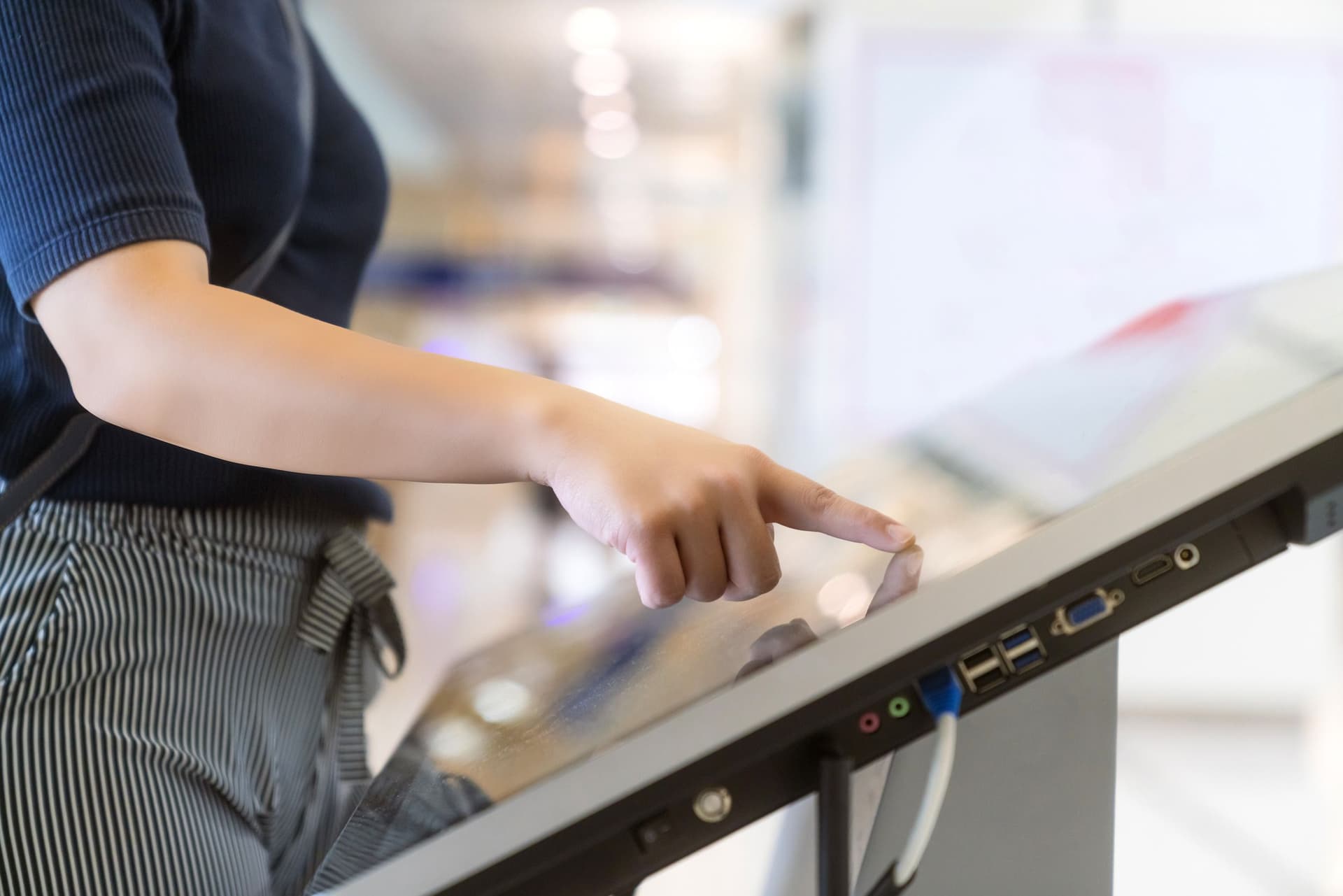
In a digital age dominated by online shopping, brick-and-mortar retailers face fierce competition from e-commerce giants. However, customer journey mapping provides a pathway for success. By mapping the customer journey in their physical stores, retailers can identify pain points and areas where the in-store experience can be enhanced. Understanding what sets the physical store apart from its online counterparts is crucial. Retailers can focus on personalized interactions, knowledgeable staff, and immersive experiences that create memorable moments for customers. By using customer journey insights, retailers can craft unique value propositions and differentiate themselves from the online competition.
Challenge 2: Evolving Consumer Behavior

Consumer behavior and preferences are constantly evolving, posing challenges for traditional retailers. We see an increase of time-starved shoppers, innovation focused ones and in certain regions, a sharp growth on high-income/affluence ones. Customer journey mapping allows retailers to adapt and cater to these changing customer profiles and their expectations. By analyzing each touchpoint in the customer journey, retailers can identify areas where adjustments are needed to align with evolving consumer behavior. This includes optimizing store layouts, improving visual merchandising, and enhancing customer service interactions, such as integrating mobile apps for personalized recommendations or providing in-store pickup options for online purchases. Understanding and meeting customer expectations throughout their journey can build customer loyalty and drive repeat business.
Challenge 3: Rising Operational Costs
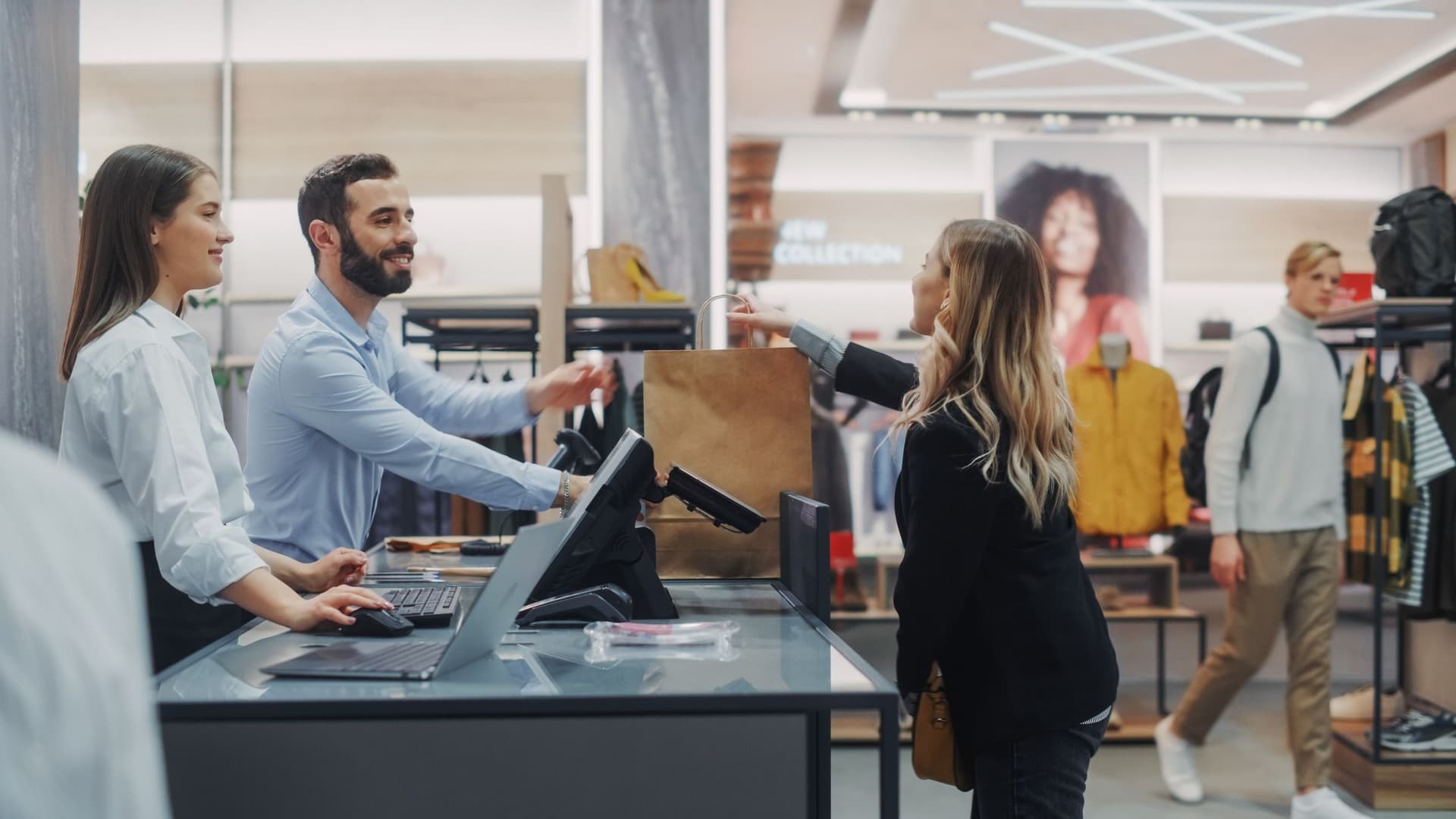
Running a physical store comes with various operational costs that can strain profitability, especially in the face of declining foot traffic. Customer journey mapping helps retailers optimize operational costs by identifying areas of inefficiency. By analyzing customer flow within the store, retailers can optimize store layout, improve traffic flow, and reduce operational costs. Streamlining processes, such as checkout and returns, can enhance the overall customer experience while simultaneously increasing operational efficiency. Using technologies like self-checkout or mobile payments can further streamline operations and reduce costs. By identifying and addressing inefficiencies through customer journey mapping, retailers can strike a balance between operational costs and a smooth in-store experience.
Challenge 4: Omnichannel Integration
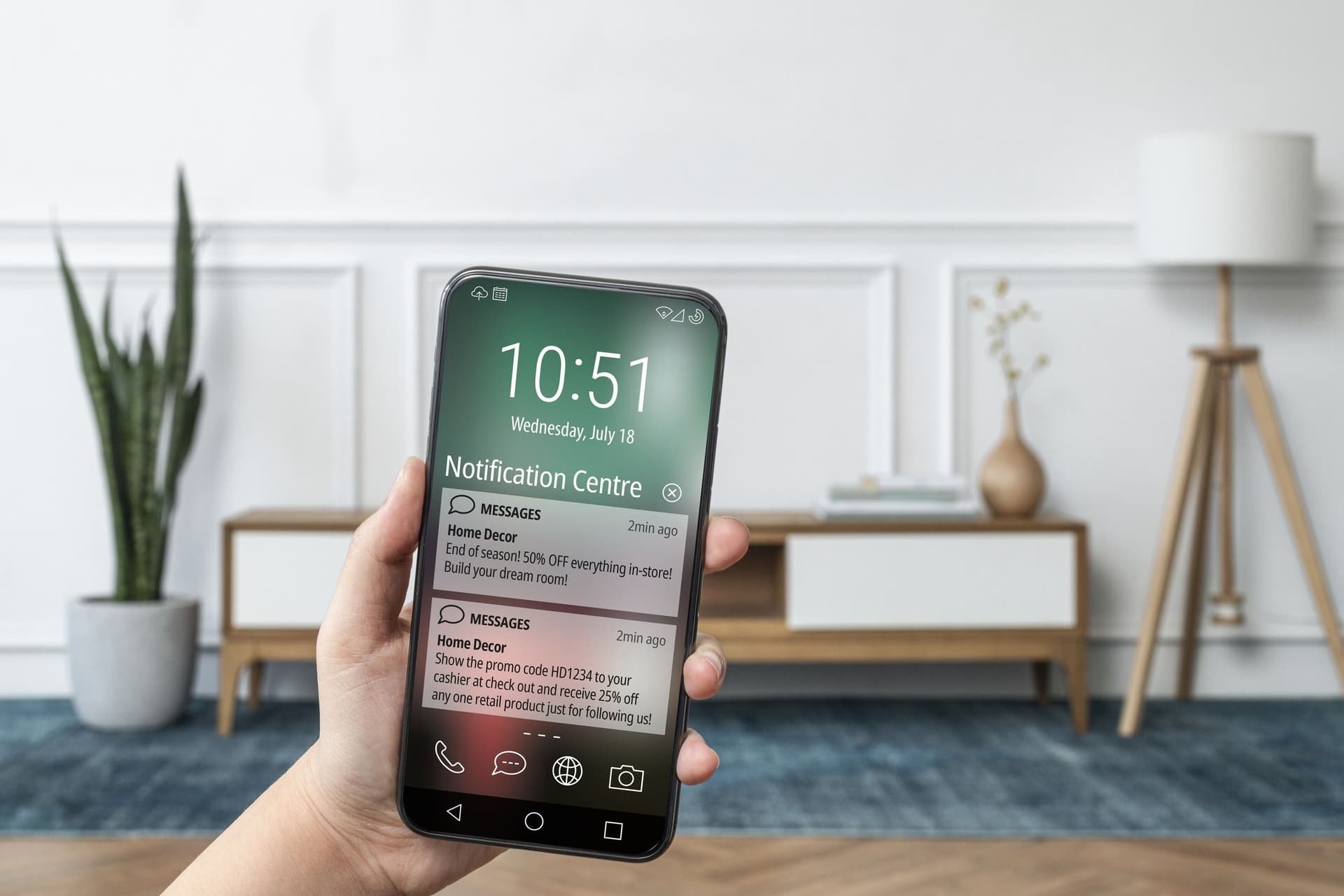
Connecting online and offline systems channels is a significant challenge for retailers. However, customer journey mapping provides insights into how different touchpoints interact across channels. By understanding the customer journey holistically, retailers can identify opportunities for integration. This may involve aligning online and in-store promotions, or even adopt unique technology such as Ariadne, that through an opt-in process understands the customer presence in-store and can use unified commerce platforms infrastructure to deliver a more personalized sales recommendation from in-store personnel. With a comprehensive understanding of the customer journey, retailers can deliver a consistent and cohesive experience that strengthens their brand identity and encourages customers to engage across multiple channels.
Challenge 5: Data-driven Decision Making
In the era of big data, retailers need to use insights for data-driven decision making. Customer journey mapping empowers retailers to collect and analyze data at each touchpoint, enabling them to make informed decisions to enhance the customer journey. Analyzing data related to customer behavior, preferences, and pain points helps retailers optimize store layout, tailor product offerings, and deliver personalized promotions or recommendations. By using technology and analytics tools, retailers can gain valuable insights and understand the effectiveness of various strategies. This allows them to refine their approach, tailor their offerings, and ultimately create a more tailored and satisfying in-store experience for their customers.
In-store vs digital customer journey: where they differ
Most customer journey mapping templates were built for digital products: signup, onboarding, activation, retention. Physical retail has a different shape. The shopper has to physically arrive, find a parking spot, walk through a door, locate what they came for, decide whether to buy, and leave. Each of those steps is a measurable touchpoint, and each one can fail in ways a digital funnel cannot.
The six in-store-specific touchpoints that matter for retail journey mapping:
- Arrival: the shopper reaches the catchment area. Influenced by location, signage, transit access, and competing destinations nearby.
- Parking: car park occupancy, walking distance from the lot to the entrance, and whether the route is sheltered or signposted.
- Entry: passers-by who actually walk through the door. The capture rate sits here.
- Navigation: how shoppers move through the store, which zones they enter, how long they stay, and which paths dead-end.
- Decision: dwell at fixtures, fitting-room or demo-area engagement, queue length at help desks.
- Exit: checkout throughput, returns desk, and whether the shopper leaves with a bag.
Digital journey maps almost never include arrival or parking, because they do not exist online. In-store, they often decide whether the rest of the journey happens at all. A store with strong product and weak parking loses the journey before it starts.
Three mapping templates for in-store journeys
There is no single correct customer journey template. Three approaches cover most retail situations, and the right one depends on what you are trying to find.
Linear template
Touchpoints laid out left-to-right in time order: arrival, parking, entry, navigation, decision, exit. Each step gets a row for shopper action, staff action, supporting systems, and the metric that proves it happened. Best when you are diagnosing a single shopping mission and you want to see where it breaks.
Grouped-by-emotion template
Touchpoints clustered by the emotional state they produce: anticipation (arrival, parking), orientation (entry, first zone), engagement (navigation, decision), resolution (checkout, exit). Best when the journey is broadly working but conversion is soft, because emotional friction often hides between two technically functional steps.
Parallel-touchpoint template
Two or three parallel tracks for shoppers who arrive via different channels: walk-in, click-and-collect, returns. Each track shares some touchpoints (entry, exit) and diverges on others (collection desk vs main floor). Best for omnichannel stores where one physical location serves several distinct journeys at once.
Use whichever template surfaces the question you actually have. A template that looks tidy but does not point at a decision is the wrong template.
Instrumenting an in-store journey with footfall data
A customer journey map without data underneath it is a guess. Each block on the map should map to at least one sensor or counter reading. The point of footfall data tied to each journey step is to make every block in the map falsifiable.
Concrete instrumentation per touchpoint:
- Arrival: external footfall on the street or in the car park (Wi-Fi presence or anonymous overhead counter facing the approach).
- Parking: car park occupancy from a gate counter or sensor grid; helps explain weekday vs weekend gaps the entry counter cannot.
- Entry: door counters at every entrance. With the external footfall figure, this produces the capture rate.
- Navigation: zone counters or anonymous tracking that records which zones are entered and in what order. A store heatmap interpretation built from this data shows where the floor is working and where it dead-ends.
- Decision: dwell-time zones at key fixtures, fitting-room utilisation, demo-area dwell. Long dwell with no purchase is a different signal than short dwell with no purchase.
- Exit: checkout queue counters, returns-desk traffic, bag-carry rate from an exit counter facing the door.
Two readings change how teams use the map. First, shopper flow patterns: the sequence in which zones are entered, which reveals natural paths and unintentional dead ends. Second, conversion checkpoints: the ratio of entries to a zone divided by purchases of that category, which separates a discovery problem from a decision problem.
Working example: a MediaMarkt-style electronics box
MediaMarkt operates large electronics boxes, typically out-of-town or in a shopping centre anchor position, with several distinct zones: white goods, brown goods, mobile, gaming, accessories, and a service desk. The journey is a useful walkthrough because shoppers arrive with different missions (research vs replace vs gift) and the store has to serve all of them through the same door.
Applying the linear template to a typical Saturday afternoon visit:
- Arrival: the shopper drives in from the catchment area. External footfall around the store entrance picks up the approach; the car park gate counter logs the vehicle.
- Parking: occupancy data shows whether the lot is comfortable or full. A full lot is a known driver of bounced visits even before the door counter records anything.
- Entry: the door counter logs an entry. With the external figure, the team can see whether a softer day was a footfall problem or a capture problem.
- Navigation: zone counters show the shopper crossing into the TV wall first, then the soundbar adjacency, then drifting to accessories. Shoppers who jump straight to mobile suggest a different mission, and the merchandising team can compare the two patterns.
- Decision: dwell counters in front of the TV wall record how long shoppers stand at the displays. Long dwell with no movement to the till is the classic signal that the staff-coverage ratio is too low.
- Exit: checkout throughput and the bag-carry rate at the door close the loop. A high bag-carry rate paired with high dwell means the store is converting; a low bag-carry rate paired with high dwell points at staffing, pricing, or stock.
The point is not that MediaMarkt does it exactly this way. It is that the linear template plus per-zone footfall data turns a vague hypothesis ("Saturday afternoons feel slow") into a falsifiable claim ("entries held, dwell at the TV wall held, but the entry-to-purchase ratio in that category dropped 18% versus the prior four Saturdays"). The retail analytics platform you choose has to give you that resolution, not just a door count.
Two follow-on moves usually pay off after the first map is instrumented. First, post-visit re-engagement informed by which zones the shopper actually entered. Second, an honest look at fitting-room utilisation or demo-area dwell for the categories that depend on hands-on time. Both convert journey-map insight into something the store team can act on next week.
Conclusion
Brick-and-mortar retailers face numerous challenges in today's retail landscape. However, customer journey mapping in-store offers a powerful solution. By mapping the customer journey and analyzing each touchpoint, retailers gain valuable insights that enable them to tackle these challenges head-on. Whether it's addressing competition from e-commerce, adapting to evolving consumer behavior, optimizing operational costs, achieving omnichannel integration, or applying data-driven decision making, customer journey mapping equips retailers with the tools they need to enhance the in-store experience and thrive in an ever-changing retail landscape.
If you're interested in learning more about Ariadne’s technology and how it can help your physical store overcome these challenges, don't hesitate to get in touch. We'd be happy to provide you with more information and answer any questions you may have.
Related reading
- fitting-room utilisation
- Retail layout optimization: 7 data-driven rules
- Customer journey KPIs: the numbers that describe a visit
- How journey touchpoints are measured without cameras
- Running a journey mapping workshop that produces decisions
- The fashion store customer journey, stage by stage
- The grocery store customer journey


